
Find Ohio Divorce Decree Records Online
Ohio divorce decree records are kept at the Court of Common Pleas in the county where the case was filed. Each of the 88 Ohio counties has a Domestic Relations Division that stores divorce decrees, dissolution filings, and all case documents. You can search for a divorce decree online through county court docket systems, or visit the Clerk of Courts in person to get copies. The Clerk can pull up records by name or case number and make copies while you wait. If you need a certified copy of an Ohio divorce decree for legal use, the county Clerk of Courts is where you go.
Ohio Divorce Decree Overview
Where to Find Ohio Divorce Decree Records
The Court of Common Pleas in each Ohio county is where divorce decree records are kept. Ohio has 88 counties, and each one has a Domestic Relations Division that handles all divorce and dissolution cases. The Clerk of Courts in that county is the official record keeper. They store the full case file, which holds the divorce decree, the petition, financial disclosures, and any custody orders. You can go to the Clerk's office in person during business hours to look up a case. Staff can search by name or case number. Most offices charge $1.00 per page for plain copies and $2.00 per page for certified copies, though fees can vary by county.
The Supreme Court of Ohio sits at the top of the court system. It sets the rules that all 88 county courts follow for divorce cases. The court also runs the administrative side of things and puts out reports on case filings each year.
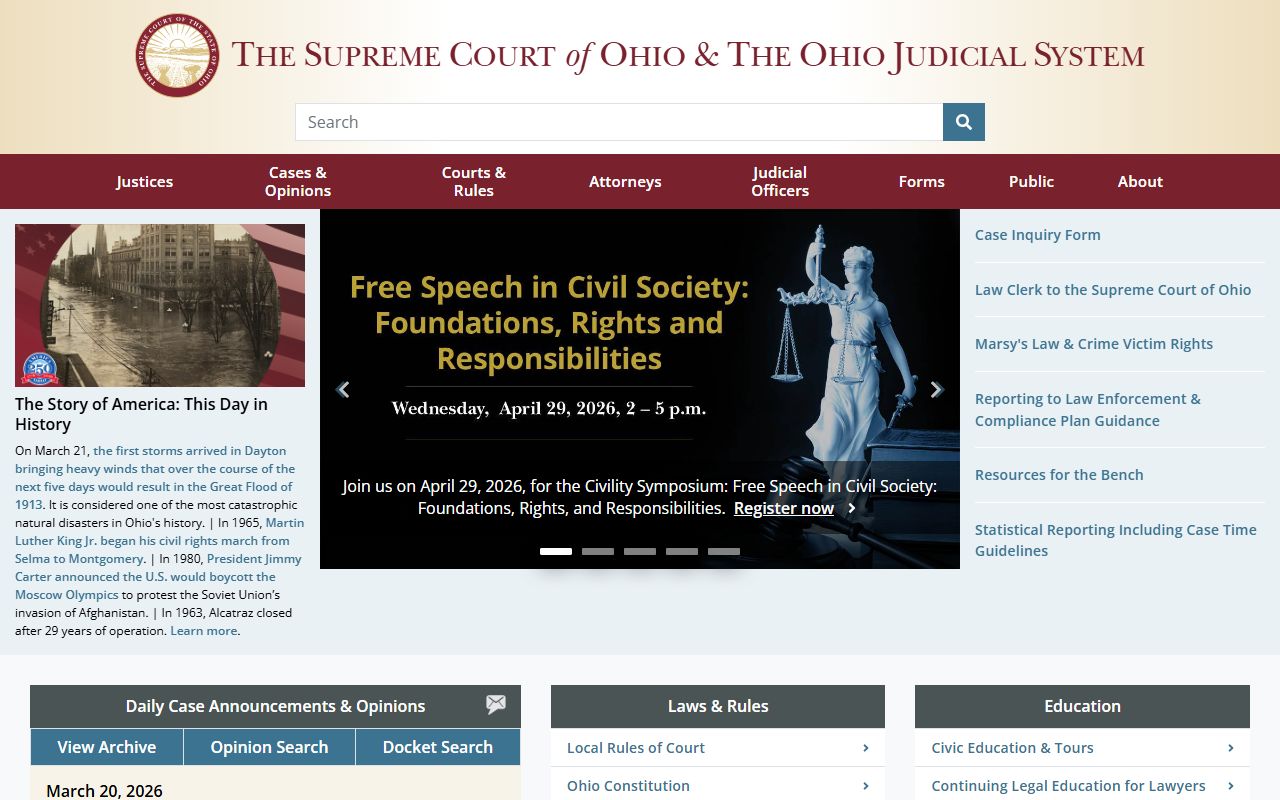
The Ohio court system has three tiers. Courts of Common Pleas are the trial courts. They are where divorce decrees get filed and stored. Above them are 12 District Courts of Appeals that hear appeals from divorce cases. The Supreme Court is at the top and takes select cases on appeal.
You can also get a basic divorce verification from the Ohio Department of Health. They track vital records at the state level. But for the actual divorce decree and full case documents, you need to go to the county court where the case was filed.

Search Ohio Divorce Decree Online
Many Ohio counties offer some form of online access to court records. Some use systems like CourtView or Odyssey that let you search by party name or case number. The level of detail you get online depends on the county. Some show full docket entries and hearing dates. Others just show basic case info like party names and case status. Not every county has the same system, so what you can find online will vary.
For counties that lack an online portal, you need to call or visit the Clerk of Courts. Give them the full name of one or both parties and an estimate of when the case was filed. A case number speeds things up if you have it. The Clerk can search their system and tell you what records are on file. In-person requests are often handled the same day. Mail requests can take a week or more, so plan ahead if you go that route.
Ohio Divorce Decree Filing and Grounds
Ohio law sets out the rules for how a divorce works from start to finish. The full framework is in Ohio Revised Code Chapter 3105, which covers everything from filing the petition to dividing property and setting custody terms. Ohio recognizes two paths to end a marriage. A divorce is the contested route where one spouse files and the court resolves disputed issues. A dissolution is the uncontested route where both spouses agree on all terms before filing. Either way, the final document is a divorce decree or decree of dissolution, signed by the judge and filed with the Clerk of Courts.
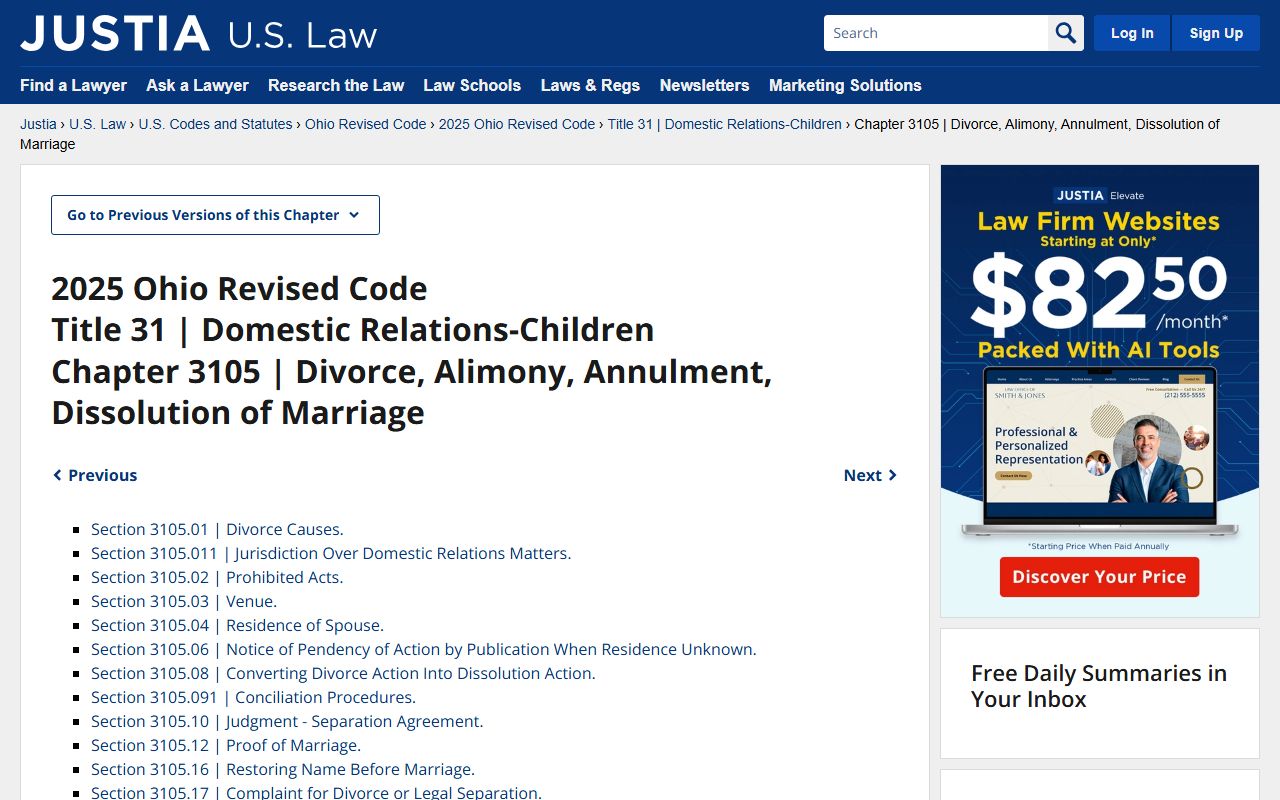
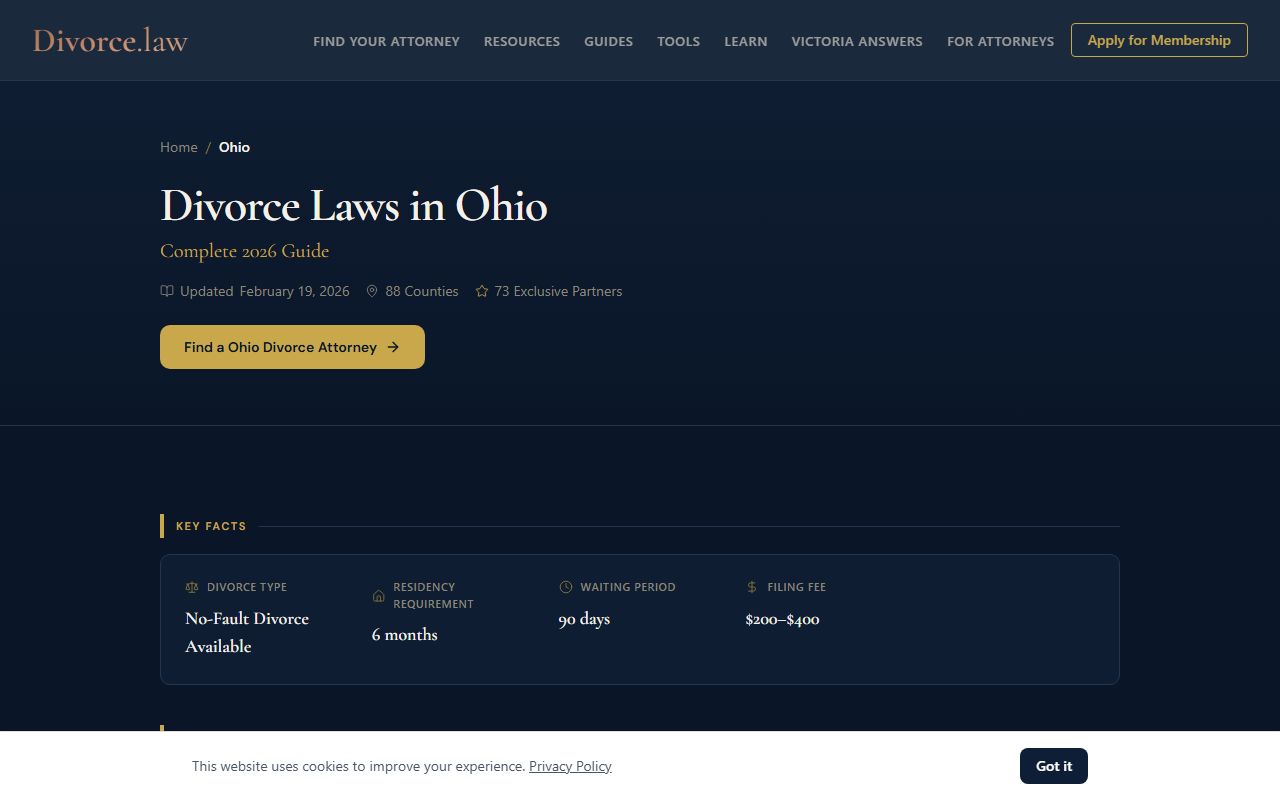
Under ORC §3105.03, you must have lived in Ohio for at least six months before you can file. You also need to have lived in the county where you file for at least 90 days. These residency rules make sure Ohio courts have the right to hear the case. If you just moved to Ohio, you may need to wait before filing.
Ohio allows both no-fault and fault grounds for divorce under ORC §3105.01. The no-fault options are incompatibility and living apart for one year. Fault grounds include adultery, extreme cruelty, gross neglect of duty, habitual drunkenness, willful absence for one year, imprisonment, and fraud. For a dissolution, both spouses just need to agree on all terms. No grounds are required.
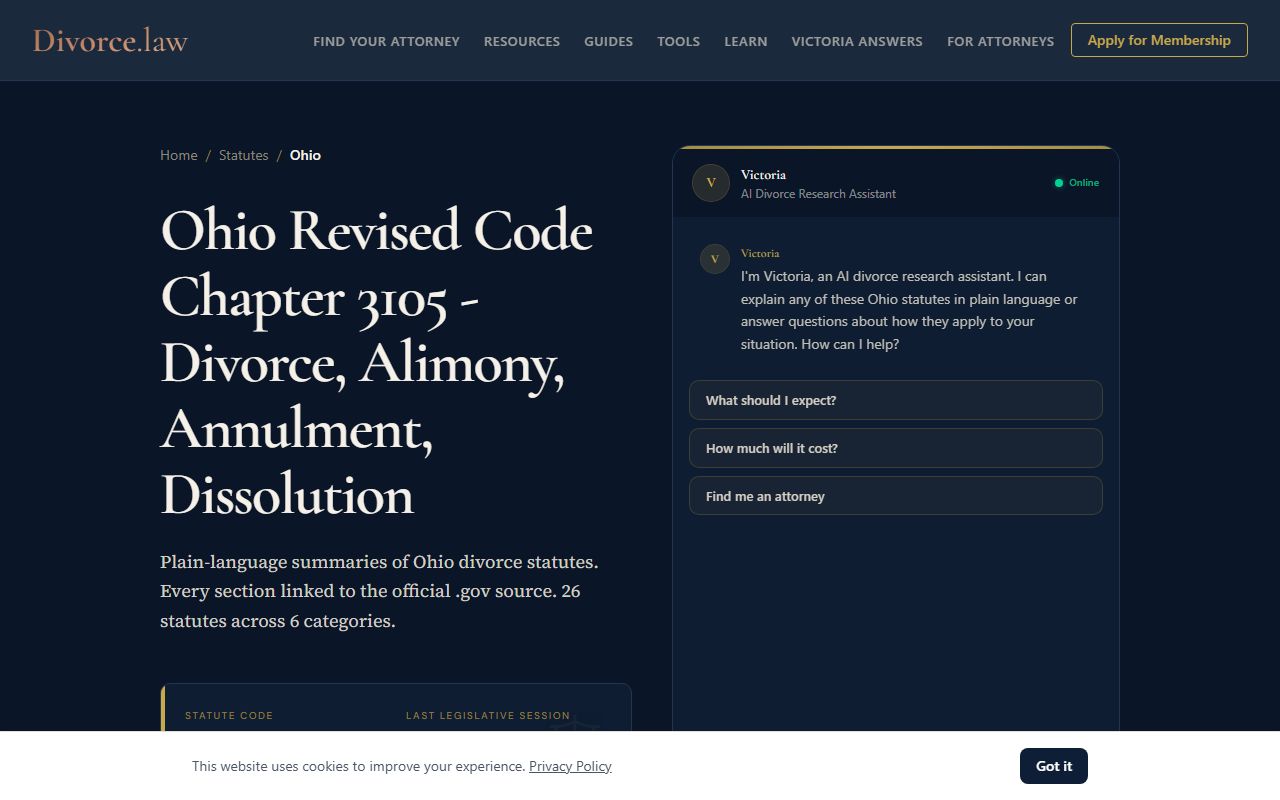
Property gets split under equitable distribution rules in ORC §3105.171. That means fair, but not always equal. The court looks at how long the marriage lasted, what each person earns, and the tax impact of splitting assets. Spousal support is governed by ORC §3105.18 and depends on things like income, health, and the length of the marriage. Child custody follows the best interest standard under ORC Chapter 3109. The Ohio Divorce Law Guide breaks all of this down in plain terms.
What a Divorce Decree Shows
A divorce decree is the final court order that ends the marriage. It is the single most important document in a divorce case file. The judge signs it, the Clerk of Courts files it, and it becomes a public record. If you need to prove a divorce happened, the decree is what you show. Banks, government offices, and other agencies will ask for a certified copy of the divorce decree when you need to change your name, update benefits, or handle property transfers.
A typical Ohio divorce decree case file includes:
- The petition or complaint for divorce
- Summons and proof of service
- Financial disclosures from both spouses
- Temporary orders for custody or support
- The separation agreement or trial findings
- The final divorce decree signed by the judge
Most of these records are open to the public. You don't have to be a party in the case to ask for copies. Some items like tax returns and custody evaluations may be sealed or restricted. The Clerk of Courts can tell you what is available in any given file.
Ohio Divorce Decree Copy Fees
Filing for divorce in Ohio costs between $200 and $400, depending on the county. The petitioner pays the filing fee at the time they submit the complaint. If the other spouse files a response, there is a separate fee for that too. Service of process adds more cost. You can have the sheriff serve the papers or hire a private process server. Sheriff fees are usually in the $25 to $75 range.
Getting copies of a divorce decree has its own costs. Most Clerk of Courts offices charge $1.00 per page for plain copies. Certified copies run about $2.00 per page. Some counties charge a flat fee for certification on top of the per-page cost. The Ohio Secretary of State can also authenticate a divorce decree with an apostille if you need it for use outside the country. That service has its own fee schedule.

Fee waivers are available. If you can't afford the filing fee, you can ask the court to waive it by filing an affidavit of indigency. The judge looks at your income and expenses and decides if you qualify. Forms for this are available at the courthouse or through Ohio Legal Aid.
Note: Fees change from time to time, so call the Clerk of Courts in your county to confirm costs before you visit or file.
How to Get a Certified Divorce Decree
To get a certified copy of an Ohio divorce decree, go to the Clerk of Courts in the county where the case was filed. Bring a valid ID. Give them the names of the parties or the case number. The Clerk will pull the file and make copies. Certified copies have the court seal and the Clerk's signature, which is what most agencies need when they ask for proof of divorce.
Some counties accept requests by mail. Send a written request with the party names, case number if you have it, and a check or money order for the fees. Include a self-addressed stamped envelope. Processing times vary. In-person requests often get handled the same day. Mail requests may take one to two weeks depending on how busy the court is.
Legal Help for Ohio Divorce Cases
Several groups in Ohio help people with divorce cases. The Ohio State Bar Association runs a lawyer referral service. You call them, describe your situation, and they connect you with a family law attorney in your area. They also have guides and pamphlets about the divorce process.

Low-income residents can get help from legal aid organizations. Ohio Legal Aid provides free assistance with divorce, custody, and support cases for people who meet income requirements. They have offices across the state and can help with paperwork, court forms, and representation in some cases. Many county courts also have self-help centers where staff can point you to the right forms and explain the process, though they can't give legal advice.
The Ohio Domestic Violence Network provides resources for people leaving abusive marriages. They work with courts on safety planning and protective orders that come up during divorce cases. Local shelters can connect you with legal advocates who help with divorce filings when domestic violence is a factor.

Under ORC §3105.21, a spouse can ask the court to restore their former name as part of the divorce decree. This is common and gets included in the final order if requested. You don't need a separate court proceeding for it. The name change takes effect when the judge signs the decree.
Public Access to Ohio Divorce Records
Divorce records in Ohio are generally public. You do not need to be a party in the case to request copies. Anyone can walk into a Clerk of Courts office and ask for divorce decree records. The Ohio Rules of Superintendence govern which court records are available to the public and which ones are restricted.
Some parts of divorce files have limited access. Financial source documents like tax returns and bank statements are usually not public. Social security numbers and account numbers get redacted from public copies. Custody evaluations and guardian ad litem reports may be sealed by the court. A party can ask the judge to seal other records, but it is rare. The court weighs privacy concerns against the public's right to access records.
Ohio keeps divorce decree records at the county level, not the state level. There is no single statewide database that holds all divorce decrees. Each county's Clerk of Courts is the keeper of those records for cases filed in that county. That is why knowing the right county matters when you search for a divorce decree in Ohio. If you are not sure where the case was filed, check with the county where the parties lived at the time of the divorce.
Browse Ohio Divorce Records by County
Each of Ohio's 88 counties has its own Court of Common Pleas with a Domestic Relations Division that handles divorce decree records. Pick a county below to find court contact info, local fees, and resources for that area.
Divorce Decree Records in Major Ohio Cities
Residents of major Ohio cities file for divorce at the Court of Common Pleas in their county. Pick a city below to find out which county court handles divorce decree records for that area.